1. The Sacred Valley of the Ancient Champa Kingdom
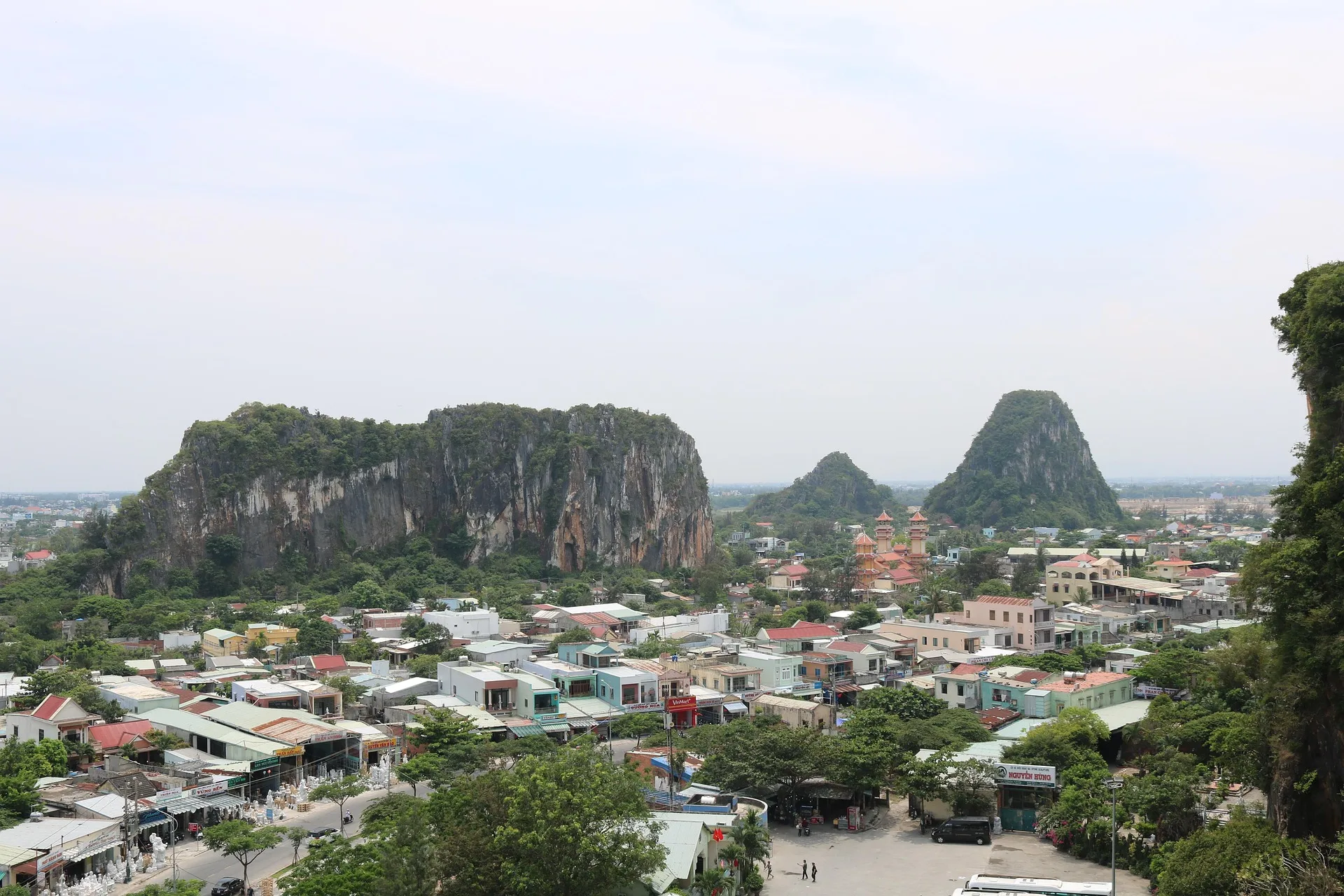
My Son Sanctuary is situated in Duy Phu Commune, Duy Xuyen District, Quang Nam Province, occupying a lush valley roughly 2 km in diameter ringed by towering mountain ranges. Located approximately 70 km from Da Nang City and 40 km from Hoi An Ancient Town, it forms a core cultural leg of Central Vietnam's popular travel trail.
Between the 4th and 13th centuries, My Son functioned as the paramount spiritual, cultural, and ceremonial epicenter of the Champa Kingdom. It hosted royal coronation rites, grand sacrifices to secure prosperity for the realm, and homage offerings to deities—primarily Lord Shiva, the god of destruction and regeneration. Furthermore, the valley served as the final resting place for Champa monarchs and high-ranking royalty.
2. Architectural Marvels and the "Mortarless Brick" Enigma
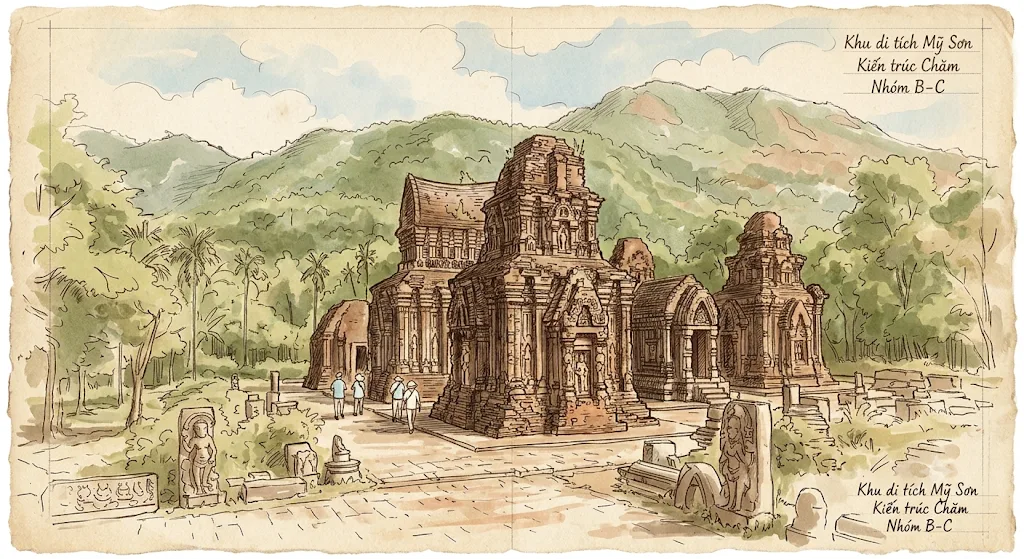
At its peak, the sanctuary featured over 70 religious and ceremonial structures divided into designated clusters (labeled A, B, C, D, K, H, E, F, etc.) representing distinct architectural styles and eras. Each group centers around a main sanctuary tower (Kalan) representing Mount Meru—the sacred cosmic center in Hindu cosmology—surrounded by smaller auxiliary towers for offerings, ritual preparation, and guardian deities.
The architectural techniques employed by ancient Cham builders have intrigued scientists and engineers for decades:
Lightweight yet Durable Bricks: The red bricks are remarkably lightweight compared to modern bricks, yet highly resistant to weathering and moss accumulation over a millennium.
Seamless Masonry: The bricks fit so seamlessly that no mortar or binding agents are visible on the outer surfaces. Researchers hypothesize the use of native botanical resins mixed with crushed brick powder.
Direct Surface Carving: Bas-reliefs, Hindu deities, graceful Apsara dancers, and mythic Garuda birds were sculpted directly into the brick walls after the towers had already been constructed.
3. UNESCO World Heritage and Essential Experiences
Despite enduring severe destruction from natural weathering and wartime bombings during the 20th century, My Son retains profound historical authenticity and artistic integrity. In 1999, UNESCO inscribed My Son Sanctuary as a World Cultural Heritage site, celebrating it as an outstanding testament to an extinct civilization.
When visiting My Son Sanctuary, key cultural experiences include:
Exploring Core Tower Clusters: Touring Groups B, C, and D, which preserve some of the most intact structures, elaborate bas-reliefs, and sacred altars.
Watching Live Apsara Performances: Enjoying the fluid, ethereal movements of Cham dancers performing to traditional Paranung drums and Saranai horns echoing through the valley.
Visiting the My Son Museum: Gaining historical context through scale models, archival photographs, and preserved stone artifacts before entering the archaeological zone.